The Sacred Geography of Experiential Awakening
Key Points:
- The Earth functions as a living, spiritual map, but sacred spaces are not confined to remote or dramatic environments. All of nature holds memory and consciousness, and when approached with awareness, it becomes a form of teaching.
- Outer landscapes reflect inner states of Being. Mountains symbolize ascent and perspective; caves represent descent and inner confrontation; deserts teach emptiness and clarity; water embodies movement, rebirth, and transition. These geographies articulate psychological and spiritual processes we move through in our own lives.
- Spiritual awakening is experiential, not dogmatic or hierarchical. Sacred geography resists institutional authority and dogma. It is personal, embodied, and accessible without intermediaries. Any place can become sacred through presence and devotion.
Although not all spiritual knowledge is gained on a mountain top, “mountains” have long held power in humanity’s imagination as spaces for sacred revelation and divine awareness. We all know the image of the mystic sage, meditating on a mountaintop. The Olympian pantheon has Mount Olympus, Lord Shiva has Mount Kailash, and the Maori believe that “all mountains were once gods and warriors.” Mountains are not the only landscape that has imprinted its map onto the blueprint of humanity’s soul. Following in the footsteps of our indigenous ancestors, seekers have climbed, wandered, and occasionally gotten lost in landscapes that mirror our inner journeys for as long as history has been shared through oral tradition. To understand the geography of the soul, we must pay attention to the geography beneath our feet, and through the soles of our feet, experience the awakening that accompanies a connection with these natural places.
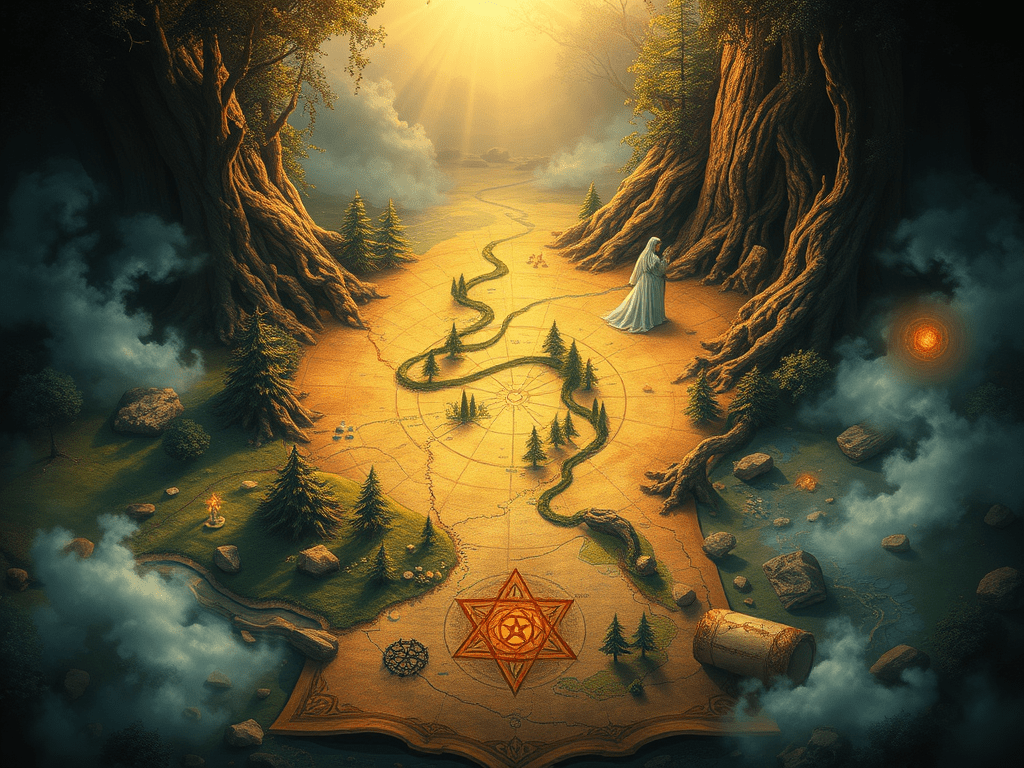
The Earth is a sacred map. Every culture residing from the Himalayas to the desert of the American Southwest has its topographies of transcendence. These are places where the veil between matter and meaning feels thin. California-based eco-feminist and activist Starhawk reminds us in Earth Path that “sacred places are the Earth’s memory made visible.” When we enter these landscapes with awareness, we’re walking into consciousness itself, translated into terrain.
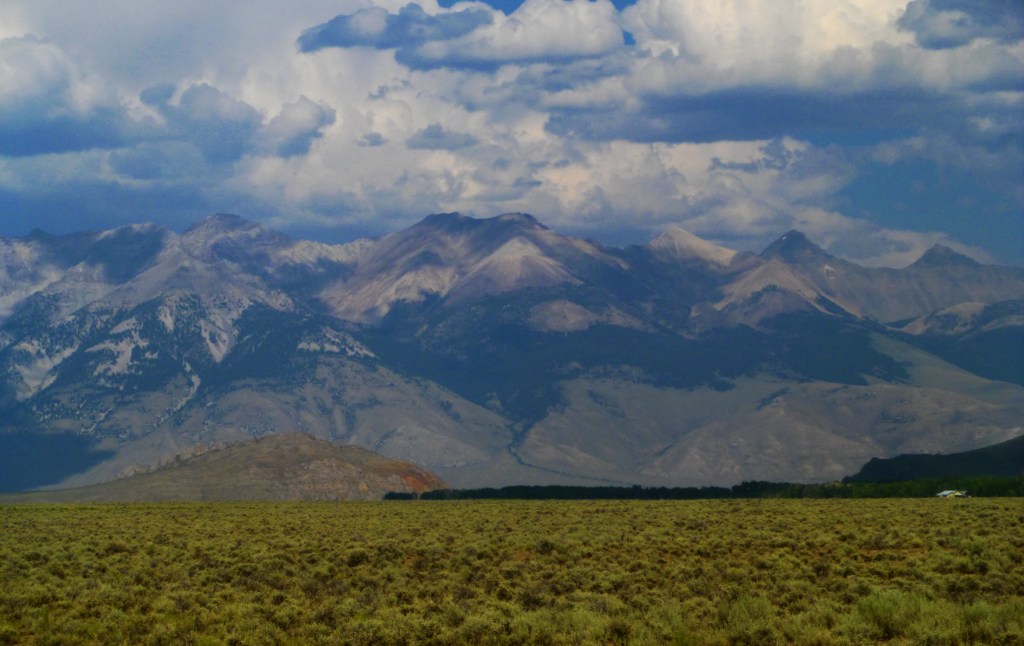
Sawtooth Mountains, Idaho, USA. Image credit: Amanda Lynn Barker
Asia Suler, in Mirrors in the Earth, expands this view beautifully. “The land is sentient,” she writes. “It speaks through form.” Mountains tell stories of endurance; rivers teach forgiveness; forests whisper about interdependence. When we listen, we learn not only about ecology but ontology; we gain insight into the nature of being itself. The landscape outside becomes a teacher of the landscape within, true to the Hermetic axiom of “as above, so below.”
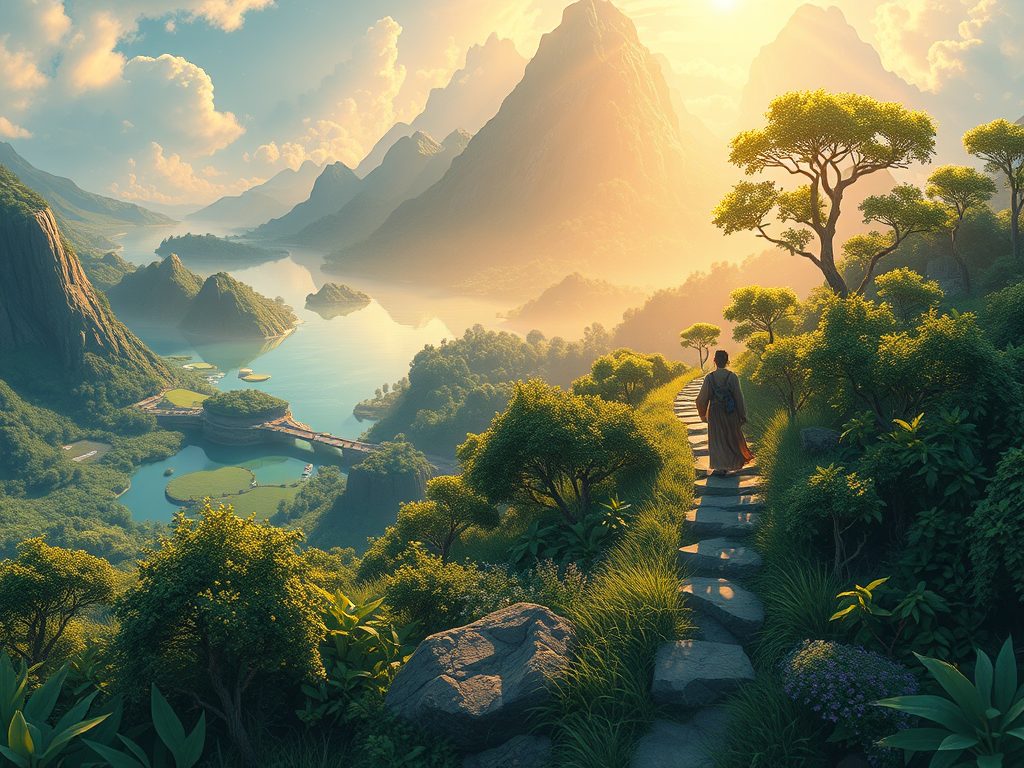
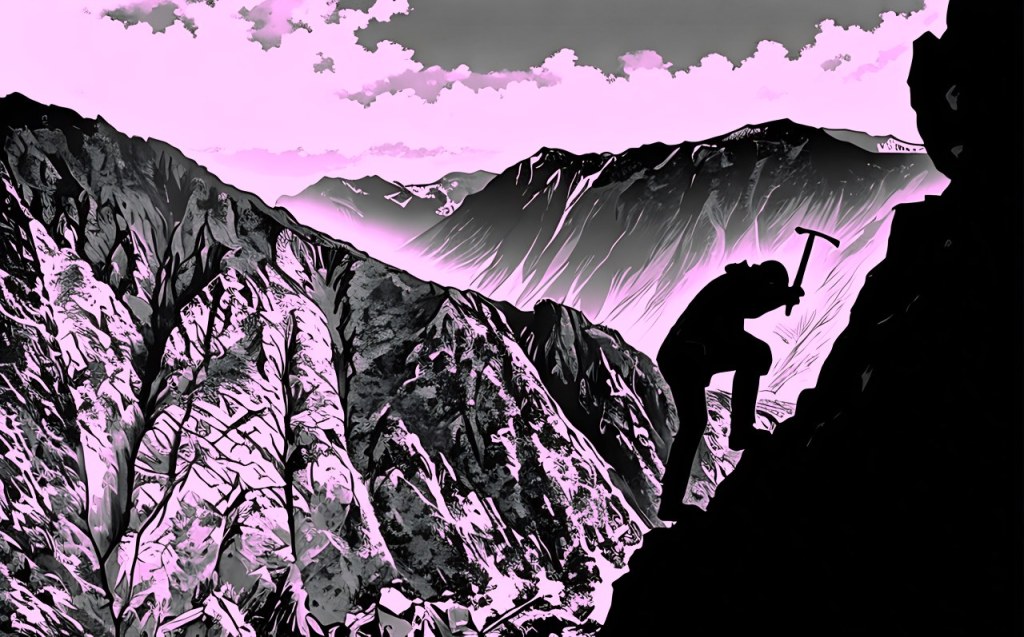
Mountains, for instance, symbolize physical and spiritual ascent. To climb is to move from density to clarity. In Buddhist cosmology, the mythical Mount Meru stands at the center of the universe, anchoring heaven and Earth. And don’t forget that the Ten Commandments, those simple agreements that guide our moral universe, were received on Mount Sinai. In modern terms, we might say the mountain represents the slow, stubborn upward movement of awareness. As we climb, the air thins, the noise fades, and the ego gets subdued enough to be quiet. The summit doesn’t hand out enlightenment certificates, but it does offer perspective.
Caves, on the other hand, are the terrain of descent. They are the sacred interiors of both Earth and psyche. They appear in myths as wombs, tombs, and initiation chambers. The Greek oracle at Delphi delivered her prophecies from within a cave; Buddhist monks meditated in Himalayan hollows; and countless seekers across traditions have entered literal and metaphorical caves to meet their own shadows. The darkness of the cave isn’t punishment. It’s incubation. As Austrian poet and novelist Rainer Maria Rilke advised, “The dark must be honored, for it is the gateway to clarity.”
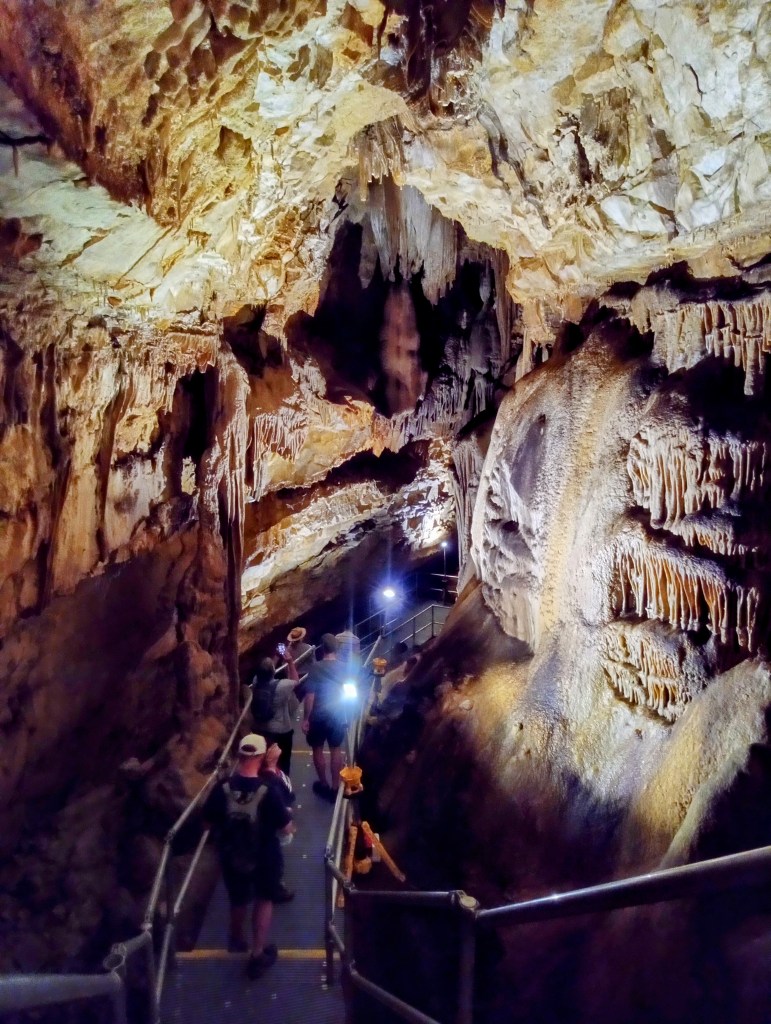
Onyx Cave in Mammoth Cave National Park, USA. Image credit: Amanda Lynn Barker
Then there are the deserts, those vast, elemental landscapes of purification. In the Bible, prophets wandered over the harsh terrain not to escape but to strip away illusions. The desert’s barrenness forces focus. It doesn’t cater to comfort or distraction. If the mountain teaches perseverance and the cave teaches surrender, the desert teaches holy emptiness, where silence becomes scripture.
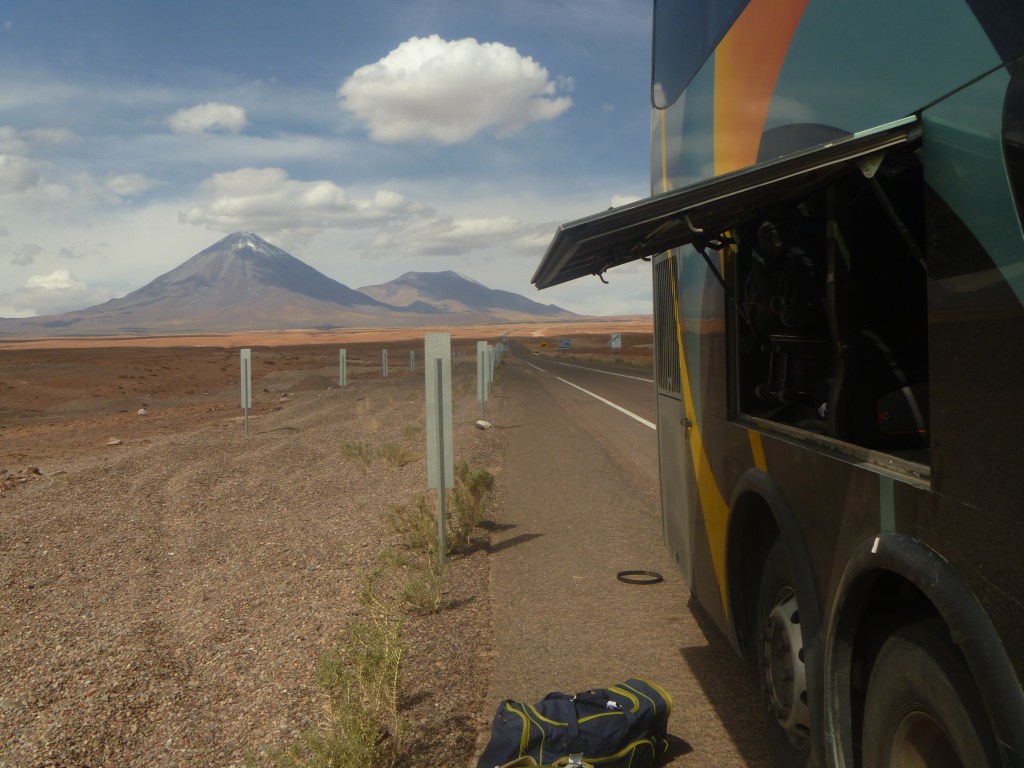
Water, as an element of movement and renewal, flows through all these sacred geographies, transforming them, shifting them, and nourishing brittle edges with its sigh of relief. In nearly every spiritual tradition, immersion in water symbolizes rebirth. Rivers are thresholds; they separate old life from new, confusion from clarity. Even modern therapy borrows this language: we “go with the flow,” we “dive in,” we “wash away” grief. The metaphors are geological because the psyche speaks fluent topography.
The concept of sacred geography also extends to the subtler landscapes we inhabit daily. The urban park where you breathe between meetings; the corner of your home where sunlight lingers; or the trail where your thoughts untangle. These are contemporary shrines. Awakening doesn’t require airfare. It requires attention. The sacred is not located anywhere; it’s recognized in front of us.
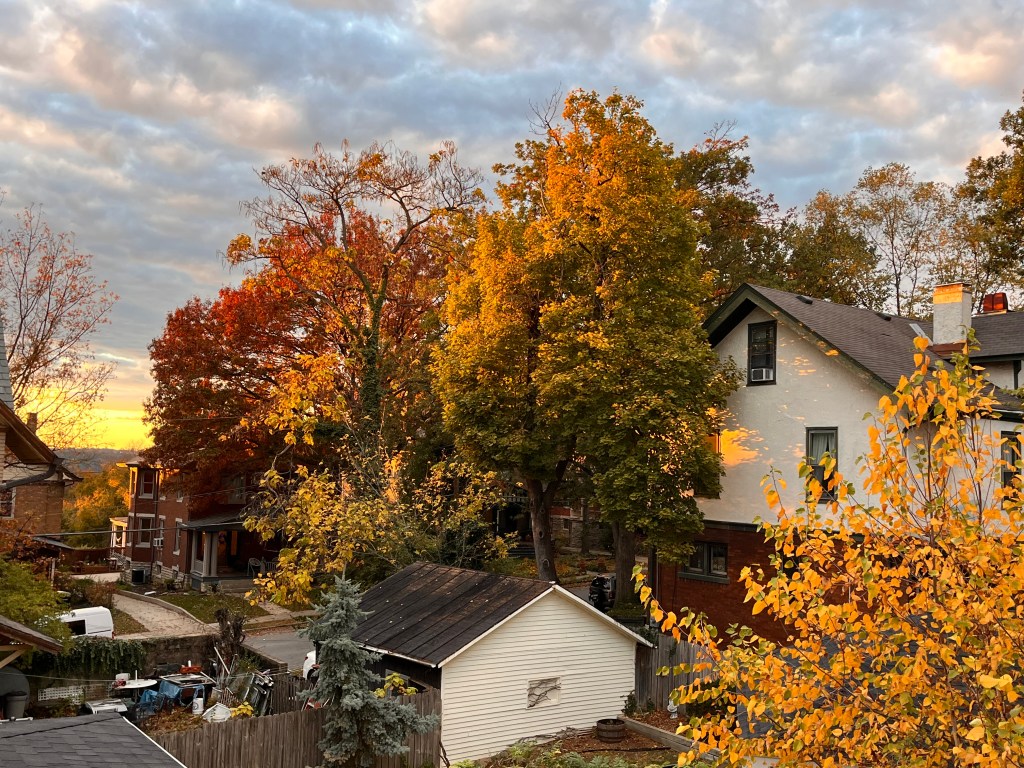
Unlike the dogma of religious institutions, the map of sacred geography is without a hierarchy or leader. It is experiential; it is the mystical sensation that can never be replicated in a lab, and it doesn’t require a trained liaison. Understood in this way, a parking lot can be as instructive as the peak, provided we bring presence. Pilgrimage, at its heart, is less about destination than devotion. We journey to sacred places not because they are magical, but because they remind us to be. The geography of awakening is, therefore, all around us, and the map is etched in the fine folds that line the soles of our feet.




















 Following the Nomad Star