Spiritual Ecology and How Non-Human Beings Guide Us on Our Healing Journey
We like to imagine ourselves as the main characters in this multi-dimensional, unfolding narrative. We are human, and we’re the protagonists of Earth’s story! We are the thinking species, the architects of destiny. The intelligent species. But look closely (and listen even closer) and we’ll experience a somewhat more complex plot line. We will hear the forests giving mentorship to our lungs; rivers facilitating weekend seminars to teach rocks how to flow; our beloved furry friend gazing at us intensely to model presence for our overstimulated minds. The truth is humbling and freeing. We are not in fact the main act, but instead are a well-supported side project within the collective experience’s ongoing symphony of balance and restoration.
Although we as industrialized humans have pretty much forgotten how to engage with nature, the relationship between us and non-human beings with whom we share the planet has long been reciprocal. Botanist, Professor of Environmental Biology at the State University of New York, and a member of the Citizen Potawatomi Nation Robin Wall Kimmerer writes that gratitude is the foundational ethic of a healthy world. In Braiding Sweetgrass, she invites readers to approach nature not as a commodity but as a community, one that responds to the experience of gratitude with abundance. Plants “gift” us with sustenance, medicine, and materials, and through the active practice of gratitude, we create a balanced ecosystem that returns more of what we require to feed ourselves, to heal ourselves, to shelter ourselves, and to build tools. Gratitude looks like expressing appreciation instead of wastefulness; sharing openly instead of manufacturing scarcity; and humble acknowledgement for where these gifts came from. When we engage this way, healing evolves from being an individual pursuit into a collective ecosystem of generosity.
Writer, teacher, and earth intuitive Asia Suler calls this reciprocity “the mirror of the Earth.” In her luminous book Mirrors in the Earth, she recounts learning directly from the personalities of plants to heal herself from chronic pain and emotional exhaustion. Reishi mushrooms taught her resilience, trilliums taught forgiveness, hemlocks offered boundaries. “The living world,” she writes, “recognizes us as a part of the whole.” When we allow ourselves to engage with non-human consciousness, we open our hearts to align with an energy that resonates with a pulse deeper than our immediate human perception.
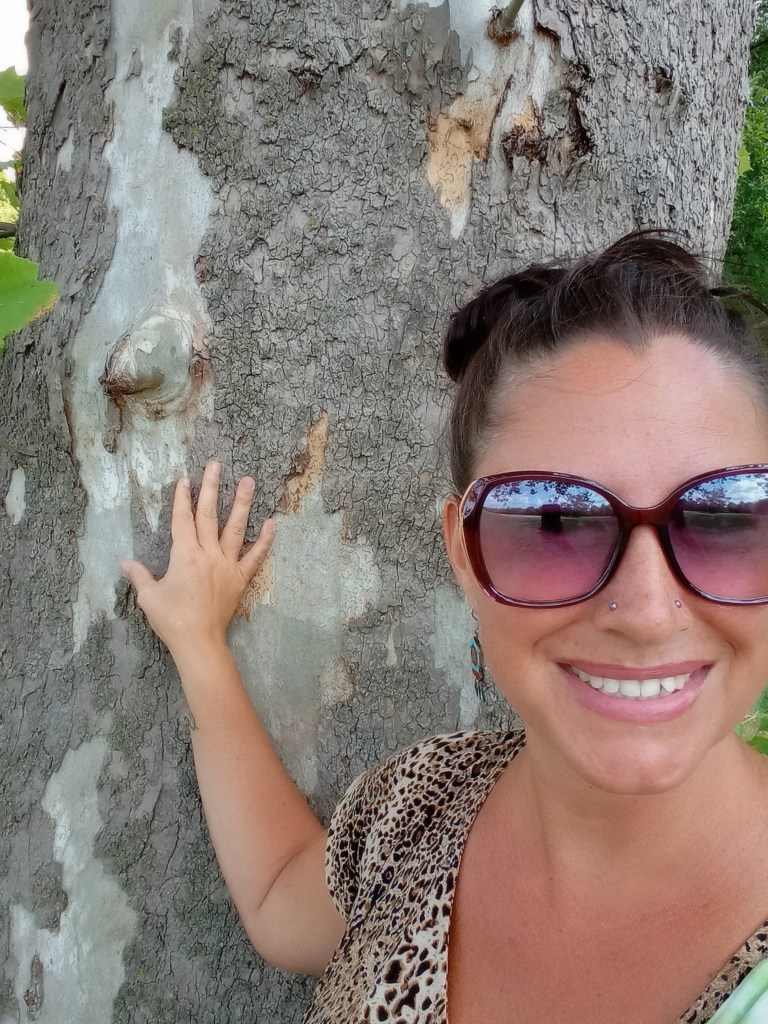
This isn’t metaphor, it’s mentorship. Storyteller and preserver of the Anishinaabe language Basil Johnston describes medicine as Mashki-aki, “the strength of the earth.” Indigenous worldviews hold space for every plant, stone, and wind current to create a specific medicine that restores or harmonizes into balance. When we acknowledge these differences in intelligence, we engage with them as collaborators, not as props or commodities. The potion works through this effective partnership.
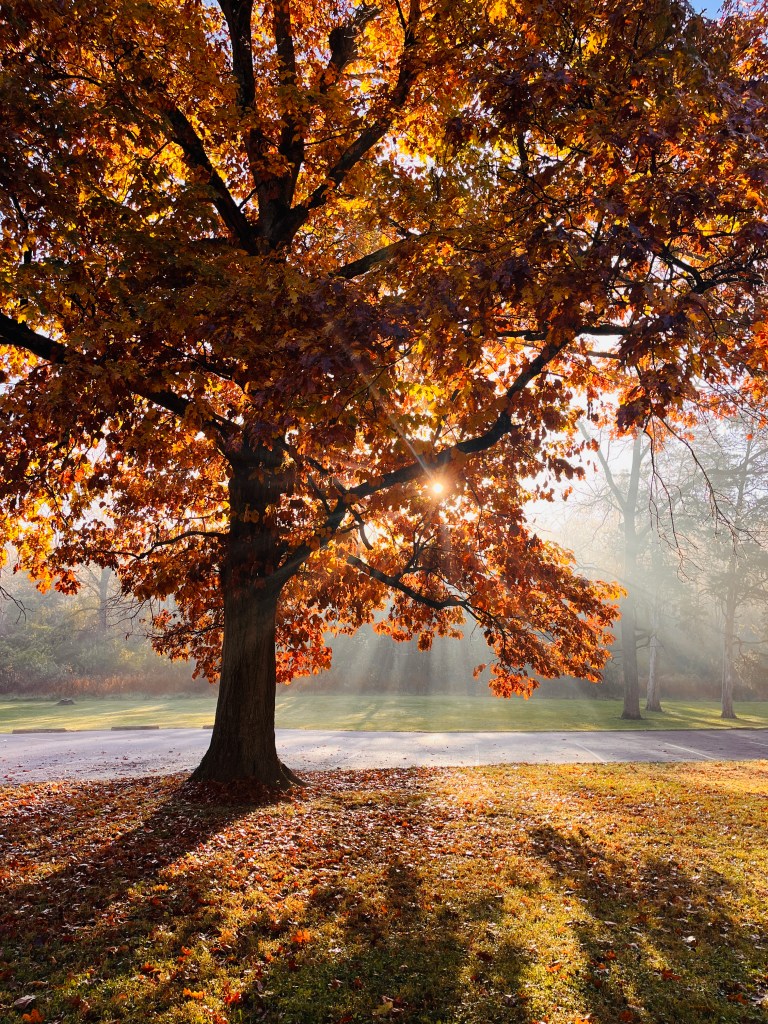
Modern science, the late adaptor to sacred wisdom, is finally beginning to corroborate this. Studies into the Japanese-originated practice of forest bathing (shinrin-yoku) illustrate that when trees release phytoncides, our bodies reduce cortisol and boost their immune function, and our brains feel less lonely. Inhaling a forest is literally good medicine. Forest bathing is as simple as pausing for a moment on a walk through a woodland to observe the light filtering through the leaves, the subtle stir of wind through the canopy overhead, or the stillness as the soil and the solitude absorbs nearby sounds. We don’t need to travel to a bucket list destination, or spend our savings account on a facilitated workshop, although National Geographic lists Costa Rica, Japan, and South Korea as prime locations for forest bathing. However, start small. Find a park or the grove of trees in your backyard. They release the same phytoncides as any others.
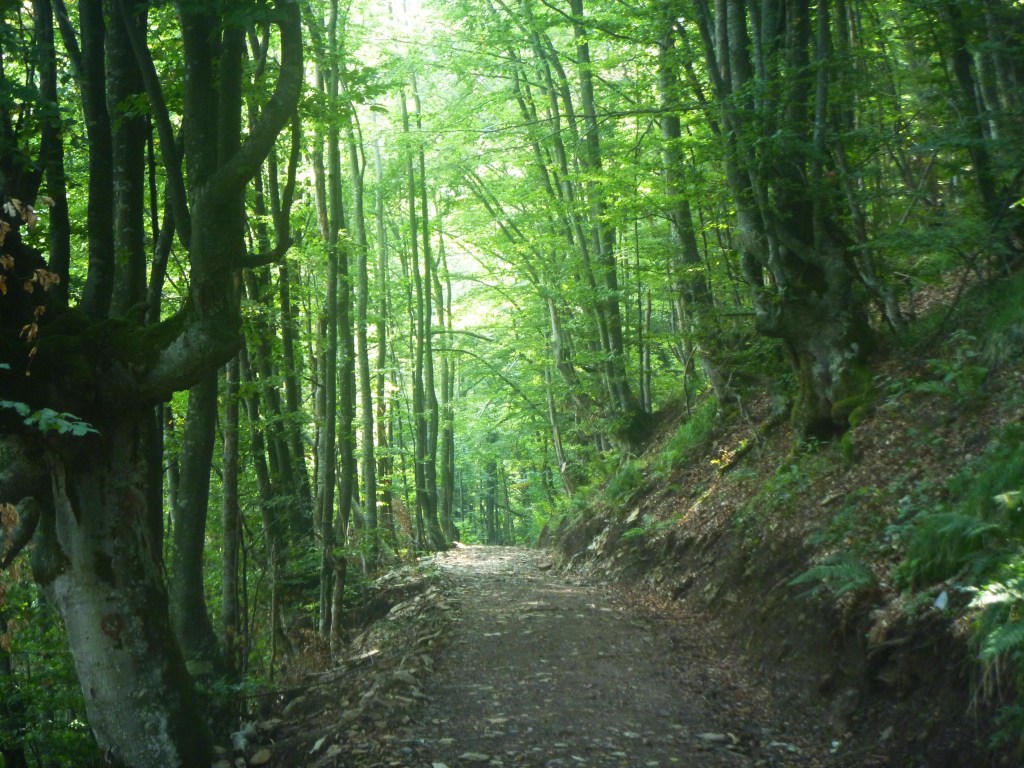
Behind the molecules hums a larger mystery. Why does standing among trees make us feel less alone? Perhaps, as the animistic worldview insists, we aren’t. The animals who share our planet are fluent healers, and like the forest, they also want us to win. Horses mirror human emotional states so precisely that equine-assisted therapy is now a recognized psychological intervention. Birds remind us to sing before we speak. Dogs teach unconditional presence and cats, the art of selective affection. In my recent post, Wings in the Silence, I share a story of a connection with hummingbirds while traveling through Medicine Bow National Forest. I have had similar experiences with blue herons in the Ocala National Forest, and with a javelina in Peru’s Tambopata Jungle. Every species carries an embodied wisdom humans once considered ordinary. In returning to those lessons, we retrieve our sanity.
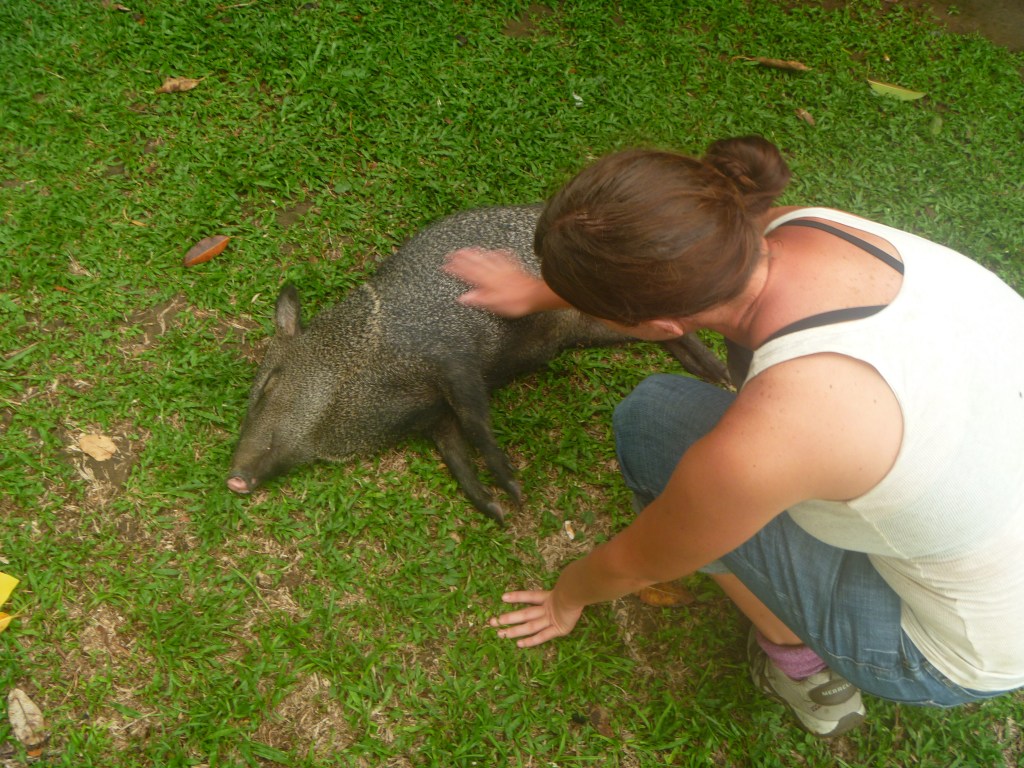
Asia Suler describes this process as re-enchantment, a term that should probably be on the tip of every doctor, preacher, and politician’s tongue. To be re-enchanted is to recognize that the planet is still speaking, and that wellness arises not from conquering the nature of ourselves and the nature around us, but from conversing with it. This conversation is multisensory. We feel it in the warmth of the sun on our skin, in the rhythm of waves, and through the hum beneath our bare feet. Our bodies are tuning forks for the sacred.
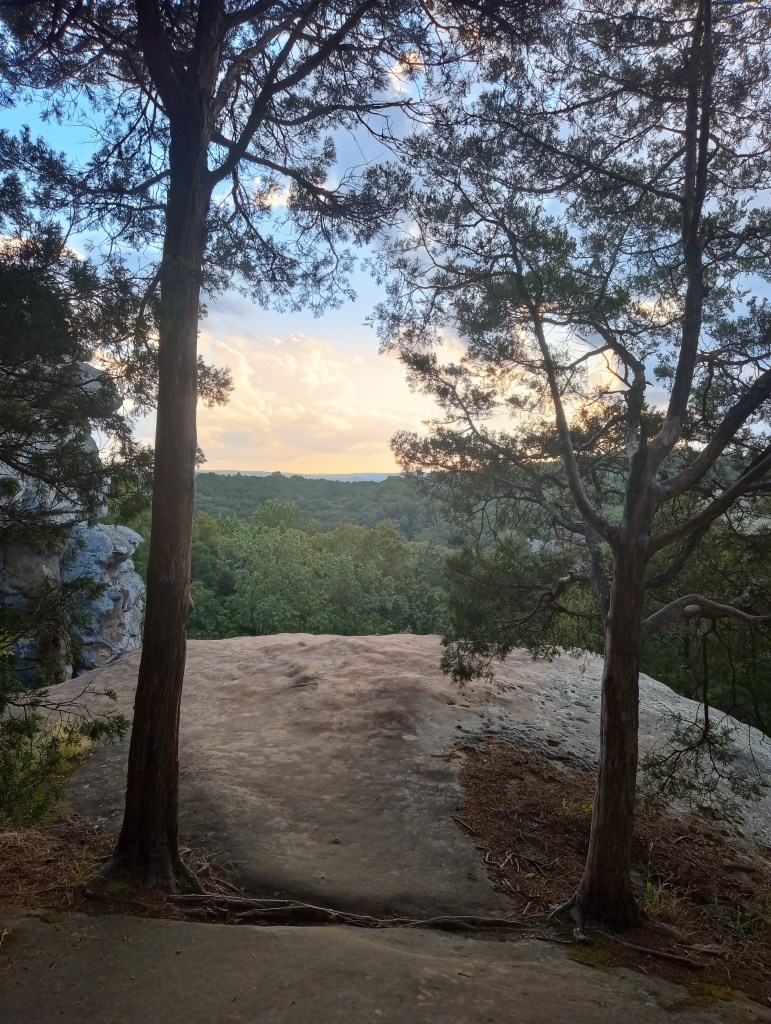
There’s a quiet revolution in realizing that healing isn’t something that others do for us, but what sacred experience offers us when we’re listening. A forest doesn’t demand payment plans or co-pays. It simply invites attention. The trees breathe out oxygen; we breathe it in. The transaction is complete, effortless, primal. This exchange of carbon and of care is the original act of spiritual reciprocity.
And yes, there’s some dark humor in it too. The fungi that decompose our detritus are not grim undertakers but cheerful recyclers. “Death into new life,” as author, activist, and eco-feminist Starhawk might say, “is nature’s favorite party trick.” Even decay is devotion. In this web of interdependence, everything from the crow to the compost participates in the great choreography of renewal.
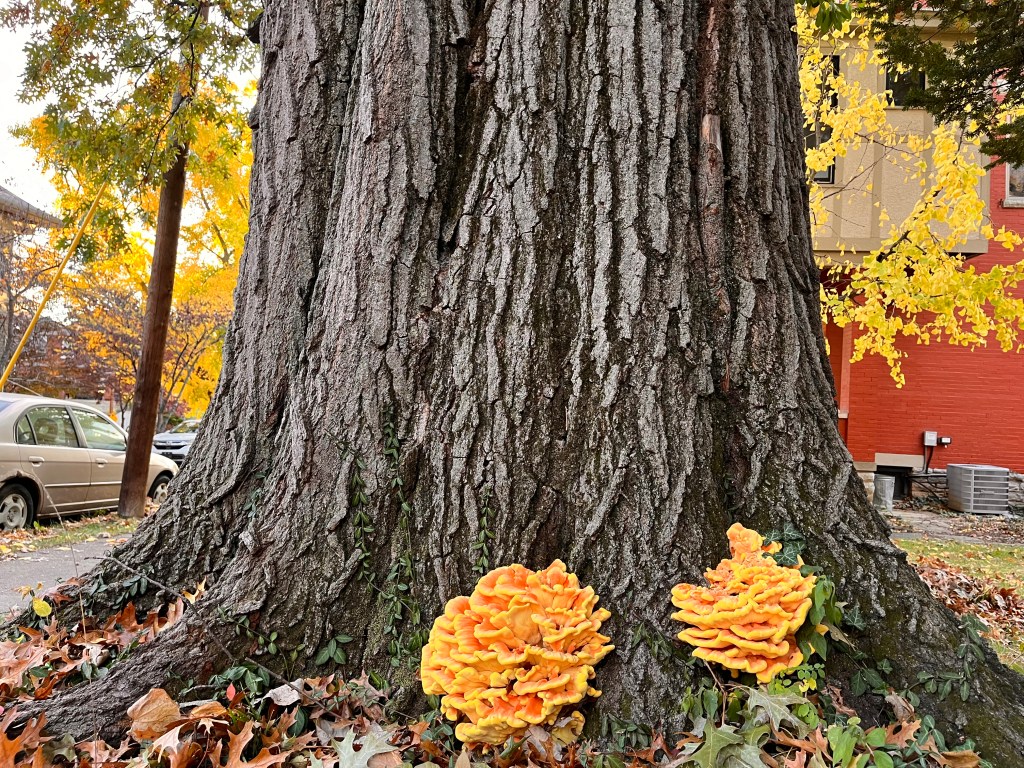
When we open to that rhythm, healing accelerates. Not because the forest cures us, but because it reminds us we were never separate from the cure. Nature does not pity us, but it invites us to remember. The oak doesn’t preach resilience; it demonstrates it silently for centuries. The river doesn’t instruct us in letting go; it performs the lesson daily.
In this light, wellness becomes a spiritual ecology. Every being from the moss, to the cloud, to the hawk, and of course us humans is part of a single breathing intelligence learning how to balance itself. When we attune to that balance, our minds quiet, our cells respond, and our spirits exhale.
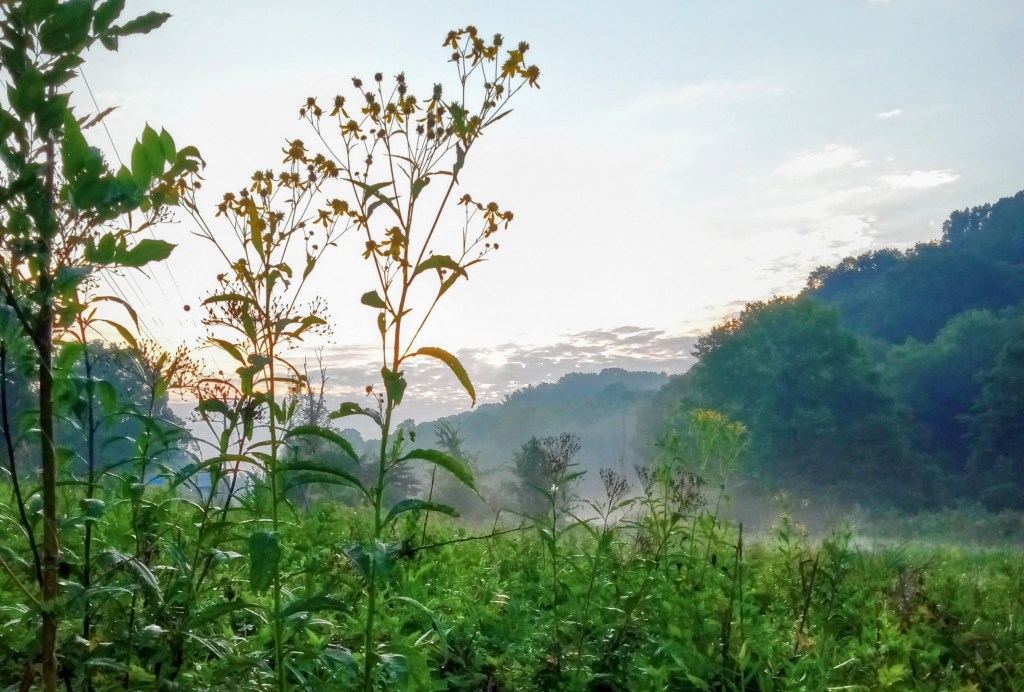
The forest wants us to win. From our thriving will emerge its own. Next time you seek healing, look toward the meadow. Listen for guidance in the rustle of leaves, the gaze of a passing animal, the patience of stone. The teachers, the healers, the guides are all waiting.
 Following the Nomad Star
One thought on “The Forest Wants Us to Win”