
Conscientious Objectors and Courageous Non-Violence in an Increasingly Militarized World
As global tensions escalate, some of us may want to understand how to practice our deeply held principles of peace and diplomacy. American history is riddled with war, conflict, escalation, aggression, and the national movement is trending even more toward militarization and demonstrations of violent power. It’s an uncertain time on very unstable ground.
Throughout American history, certain individuals have stood firm in their moral, ethical, or religious beliefs to resist participating in “any war in all its forms.” These individuals are known as Conscientious Objectors. This journey has been one of principled defiance, legal challenges, and cultural impact, shaping the dialogue around patriotism, human rights, and peace.
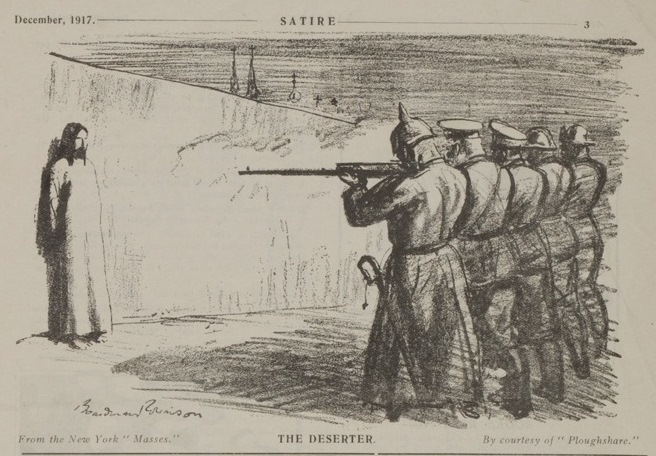
A Conscientious Objector is someone who refuses to participate in armed conflict due to religious, moral, or ethical conviction. While the concept of peaceful spiritual practice during times of war predates the U.S., American Conscientious Objectors gained particular visibility throughout periods of conscription across the 20th century, most notably during World War I, World War II, the Korean War, and the Vietnam War.
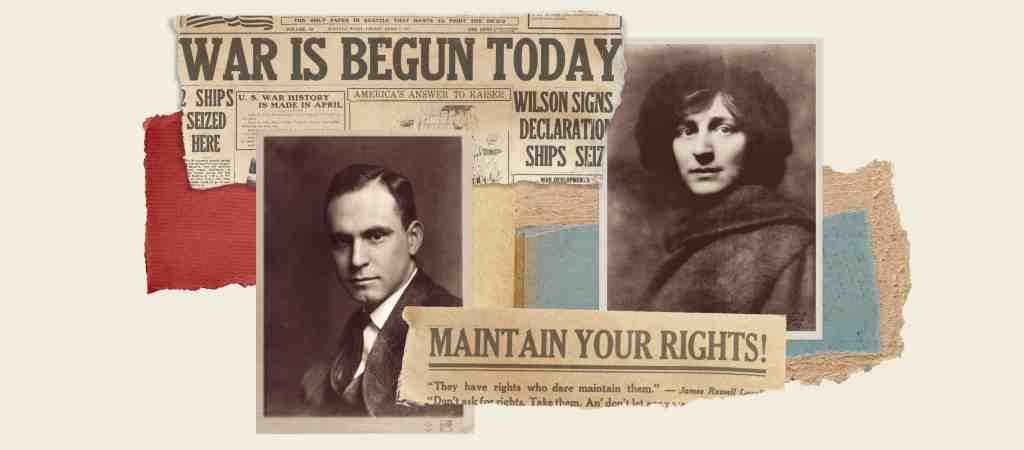
Quaker, Mennonite, Amish, and Brethren communities blazed the first trail in the US to advocate for pacifism. To this day, the Quaker United Nations Office “has been working for over 60 years to secure and strengthen the recognition of the right to conscientious objection to military service.” The resistance became more organized during World War I when in 1917 the Selective Service Act allowed for exemptions from combatant service on religious grounds. However, many objectors were still imprisoned, ostracized, or forced into non-combat roles under harsh conditions. Over 4,000 Conscientious Objectors were detained during this time and suffered abuse in military prisons. The American Civil Liberties Union was founded, in part, to defend the rights of Conscientious Objectors during WWI.
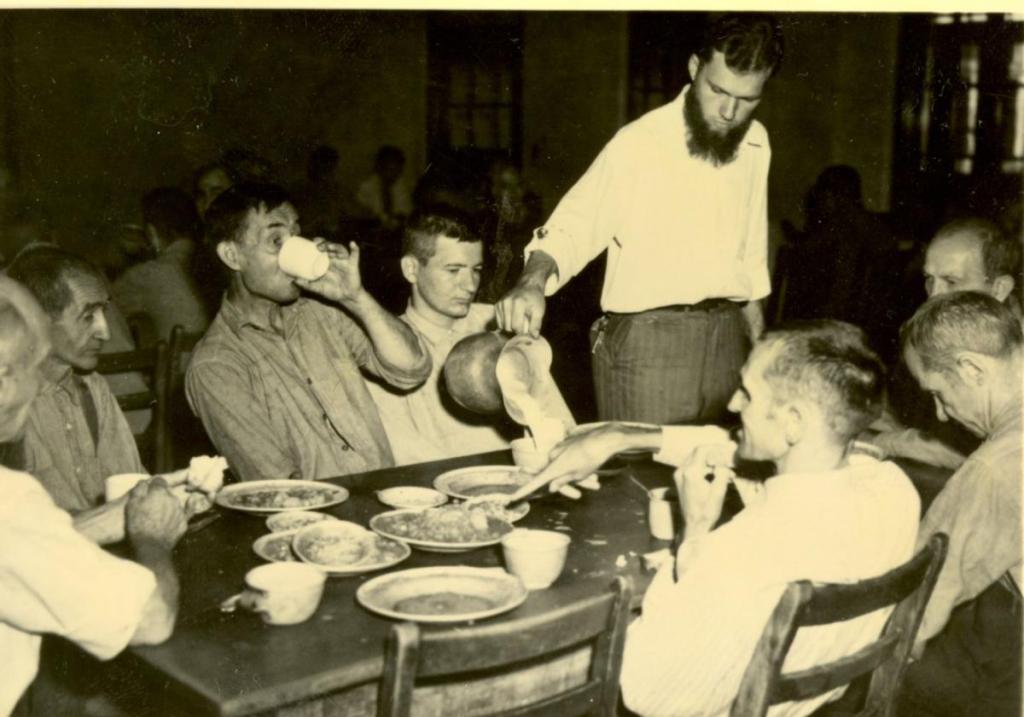
World War II opened new doors into the institutionalization of alternatives for Conscientious Objectors in the United States. A National Service Board of Religious Objectors with representatives from Brethren, Friends, and Mennonite communities was formed to serve as advocates for Conscientious Objectors, and to help the Selective Service identify projects “of national importance” for members of the Civilian Public Service program. Through this new collaboration, approximately 12,000 men served in CPS camps, working in areas such as forestry, soil conservation, mental health institutions, and public health. While this spared many from the violent combat that intruded upon their moral principles and also fulfilled a domestic labor shortage, unfortunately, many Conscientious Objectors faced ridicule and were labeled unpatriotic.
The next war against Vietnam catalyzed a broader resistance to armed combat. Many young men declared themselves Conscientious Objectors on moral or political grounds. This was a movement that expanded beyond religious objections to include ethical and philosophical opposition. Organizations like the Central Committee for Conscientious Objectors (CCCO) and the American Friends Service Committee (AFSC) played pivotal roles in counseling and legal support. Like in the past though, Conscientious Objectors were still vilified and publicly shamed for their peaceful alternative views on armed conflict. For instance, after asserting that participating in combat warfare was contrary to his spiritual convictions, boxer Muhammad Ali was “stripped of his heavyweight title, deprived of his passport, and widely vilified.”
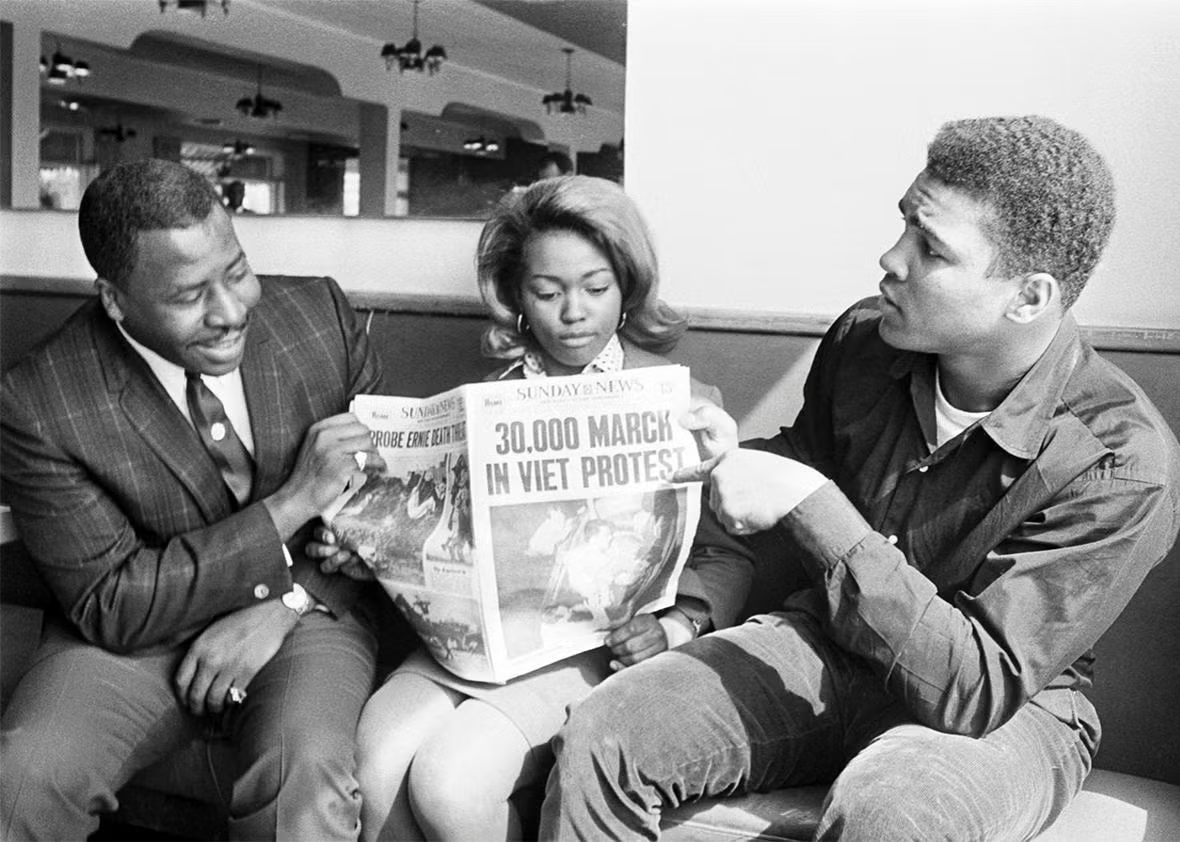
Image credit: Bettman/Getty Images
Since the end of the draft in 1973, conscientious objection has largely faded from public attention. However, Conscientious Objectors still exist within the US volunteer military. Service members can apply for discharge or reassignment if they develop a sincere objection to war after enlistment. The process is rigorous, requiring written statements, interviews, and corroborating evidence.
Currently, there is no official registry for Conscientious Objectors in the United States unless a military draft is reinstated. However, legal and advocacy groups recommend that individuals who believe they are COs document their beliefs in writing and gather supporting evidence in case of future conscription.
Here’s how to proactively prepare:
- Write a Personal Statement: Articulate your beliefs clearly, sincerely, and consistently. Explain why your convictions prevent you from participating in war. If you are a member of an established religious institution, seek support from your religious leader to help you articulate your convictions. If your resistance is based on convictions outside of an established religious institution, be prepared to cite relevant sources of inspiration and philosophy to qualify your statements.
- Gather Supporting Documentation: Letters from clergy, teachers, or mentors can corroborate your beliefs. Relevant reading, religious texts, or experiences should be cited. Create a paper trail of evidence. Write to your elected official to voice your views on military activity or how your tax money is spent. Participate in peace and diplomacy-related activities. Volunteer with organizations such as the International Federation of Red Cross and Red Crescent Committees, Amnesty International, or other agencies that provide humanitarian aid. Donate to such peace-keeping and humanitarian aid organizations.
- If the Draft Returns, Notify Selective Service: If the draft is reinstated, individuals will be required to claim Conscientious Objector status when called for induction. Currently, two options are available for Conscientious Objectors. A person who is opposed to any war in all its forms will have non-combatant Alternative Options available for a role that makes a “meaningful contribution to the maintenance of national health, safety, and interest.”
For Active-Duty Service Members whose Views have Shifted: Submit an application through your chain of command, typically including a written request, interviews with a chaplain and psychologist, and a hearing before an investigating officer. Groups like the Center on Conscience and War (CCW) provide guidance and legal support for Conscientious Objectors who are part of the current armed services.
Conscientious objectors encourage public discourse about the responsibilities of citizenship, the morality of violence, and the role of individual conscience in national policy. Our actions and convictions create channels for dialogue, empathy, critical thinking, and a deeper understanding of civic duty. Our stance can prompt societal reflection on the ethics of war, foreign policy, and the sanctity of human life. Our activism has spurred reforms in conscientious objection policy and raised awareness about the moral complexity of war. Patriotism is the right to dissent. Allegiance to conscience is allegiance to maintaining the dignity of the human experience, over allegiance to any flag or manufactured nationalism. On the battlefield of institutional violence and a militarized culture, stand in peaceful resistance with the strength of a mountain.
 Following the Nomad Star