At some point in my life, I decided that the two most important American institutions are the library system and the protected wilderness areas; access to knowledge and nature are necessary democratic concepts. The United States, or Turtle Island as the landmass is named among First Nation people and non-indigenous activists, currently has 63 National Parks and 154 National Forests. The difference between Parks and Forests is that Forests are protected for mixed use like timber, grazing, fishing, and recreation; while Parks are preserved in their natural state of ecological existence. The Western states like California, Alaska, Oregon, and Idaho are well-known for their expansive playgrounds of mountains and trees, and rightfully so because those Humboldt Redwoods are my favorite 300-foot tall beings I’ve met on the planet. But the eastern ecosystems deserve a shout out too, and here are three (in no particular order) totally worth exploring.
Shawnee National Forest: Stunning Vistas in Sasquatch’s Summer Home
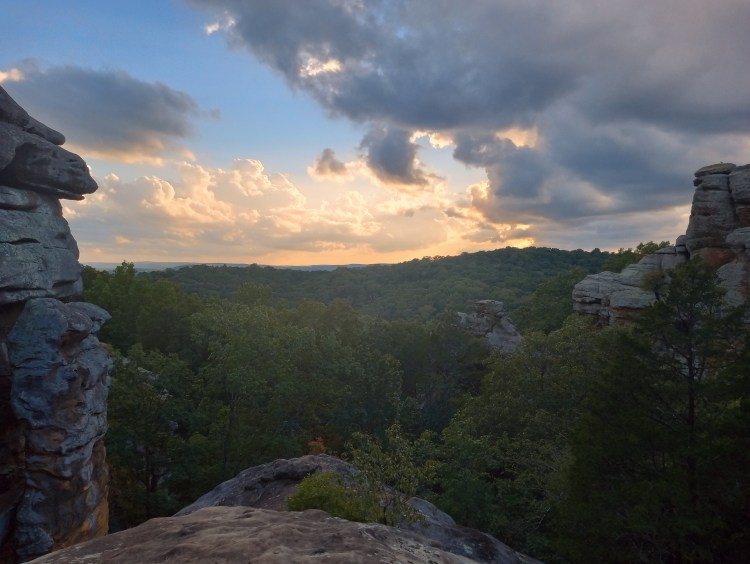
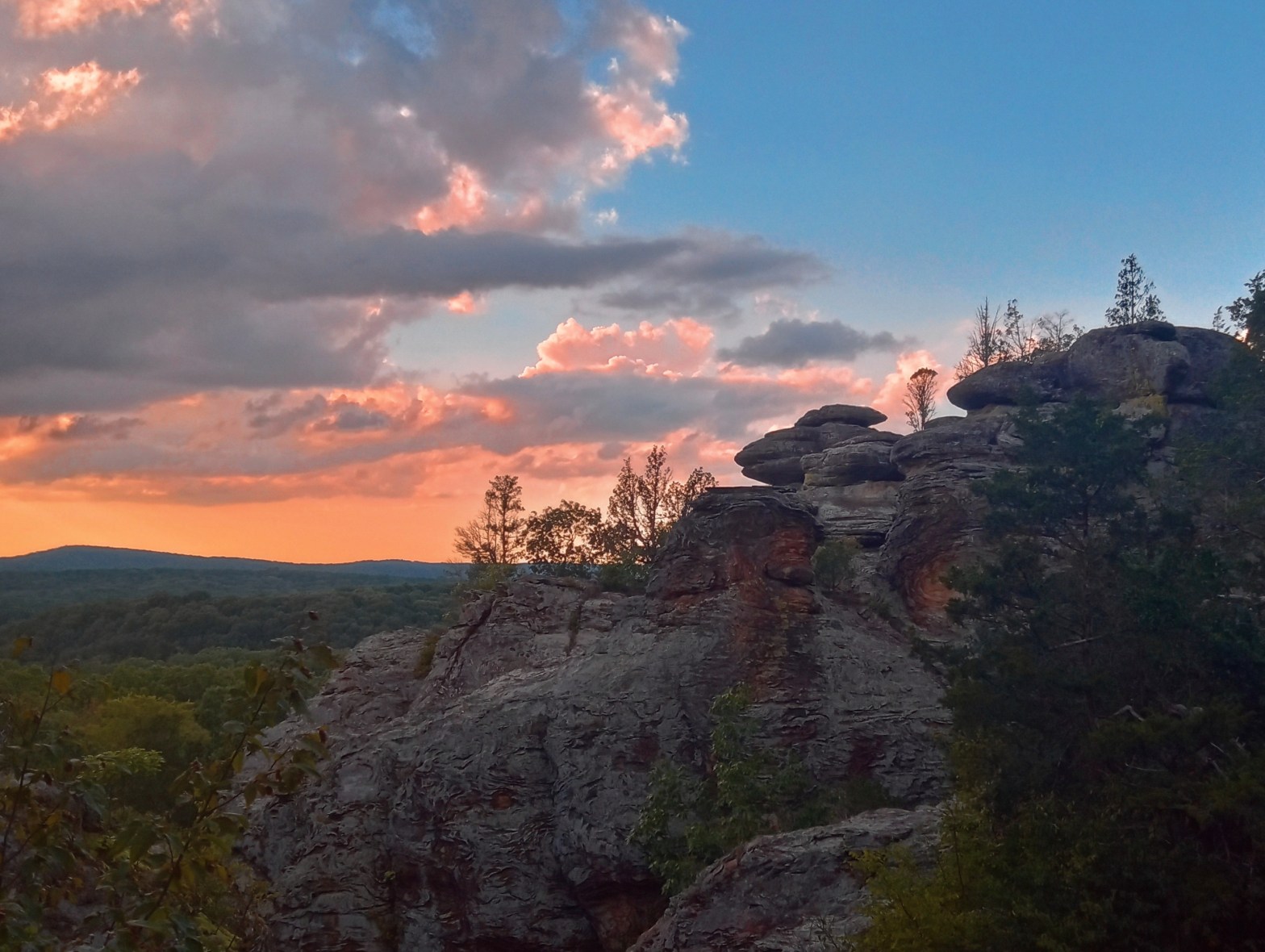
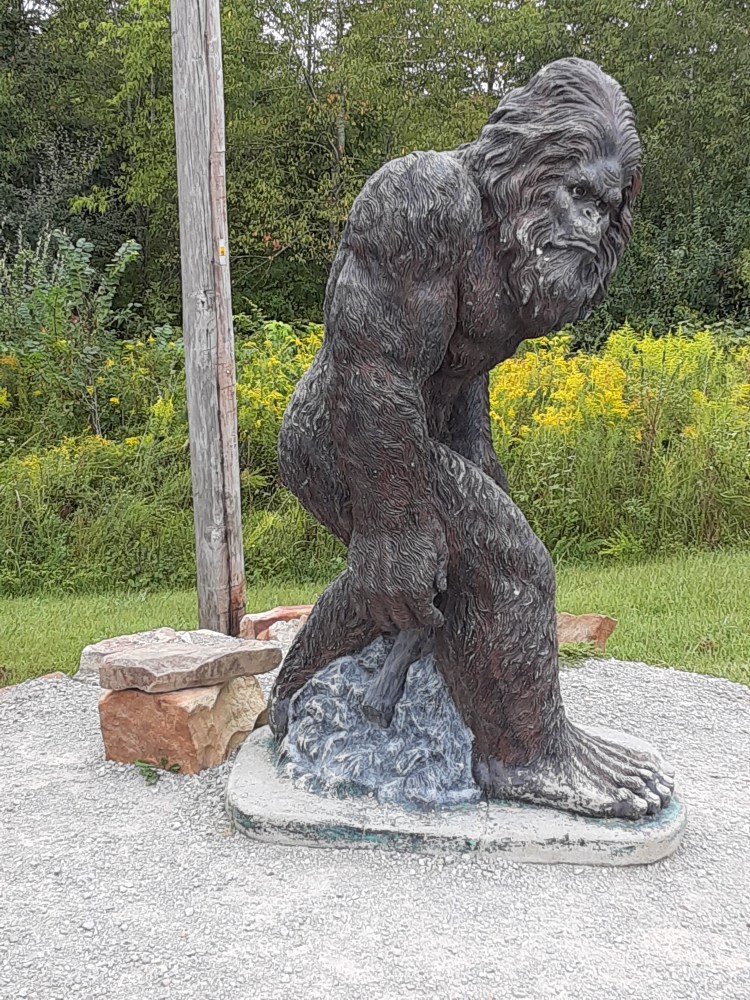
This rural and rugged wilderness oasis is located in southern Illinois, nestled between the Ohio River and the Mississippi River. It’s 451 square miles of oak-hickory forest, flourishing wetlands, steep canyons, stunning vistas, and Sasquatch sightings. Two of the most impressive features are the Garden of the Gods Wilderness Area, and the 160 mile long River to River Trail which forms the southern section of the American Discovery Trail. The Shawnee National Forest has quickly topped my list of checkpoints on any camping road trip. Off grid and primitive, Pharoah Campground is a short walk to the Observation Trail through the Garden of the Gods, and Pounds Hollow offers a pristine freshwater lake for a refreshing swim and trail access to Window Rock. Definitely make a stop at the Garden of the Gods Outpost for firewood, a selfie with Sassy Sasquatch, and supplies; you won’t find other stores nearby.
Ocala National Forest: Mineral Springs and Manatees
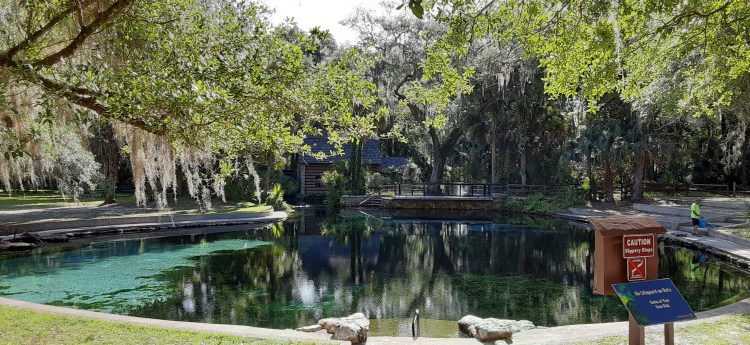
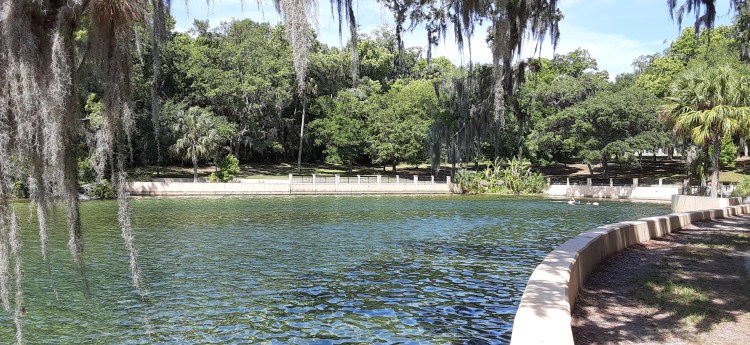
The Ocala National Forest in central Florida protects the world’s largest Sand Pine forest. As if that weren’t cool enough, the area also has over 600 lakes, rivers, and springs cascading across the sandy plane, and it is in these waters that Florida’s remaining 6300 manatees migrate for the winter. Let me tell you about these springs: crystal clear, shimmering with eel grass, and forever hovering between 72 and 74 degrees. These springs emerge from underground limestone caves, and the water is soothingly cool and fresh. Fresh water swimming, especially in cool spring water, has many documented physical and mental health benefits like stimulating blood circulation, releasing endorphins, and boosting the immune system. One of the springs and my personal favorite is Salt Springs. It pools from deep enough underground that the water is slightly saline with minerals of sodium, potassium, and magnesium, and has been known to reduce inflammation and pain in the body. The springs are all developed so you’ll find the human infrastructure we all enjoy, like picnic areas, facilities, accessible walking trails, and parking lots.
Chattahoochee-Oconee National Forest: Waterfalls and Rhododendrons
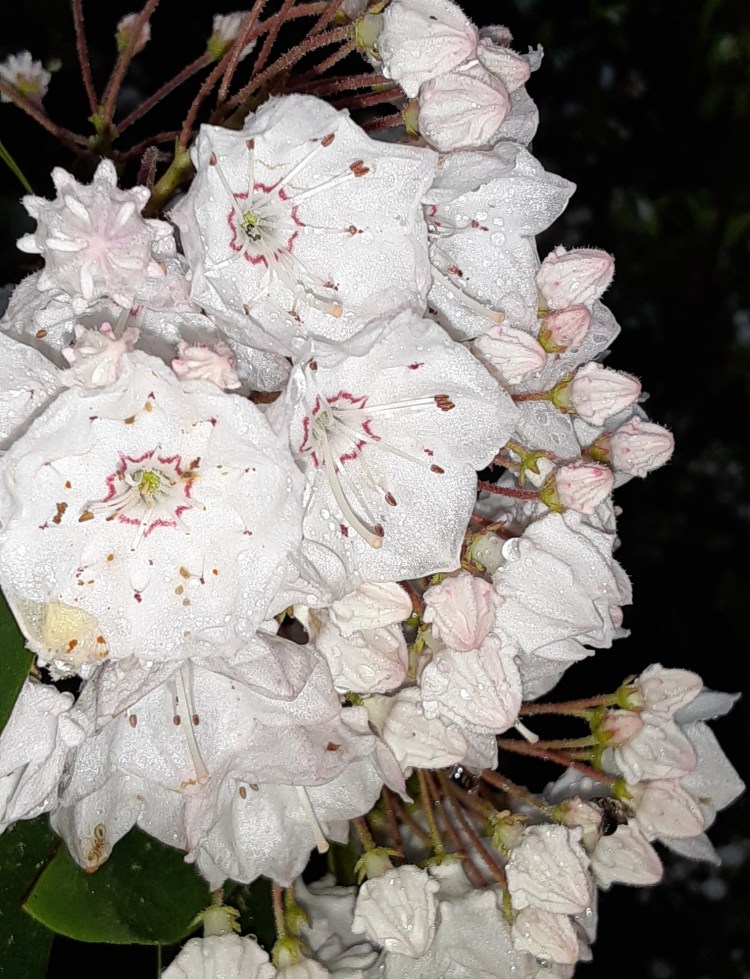
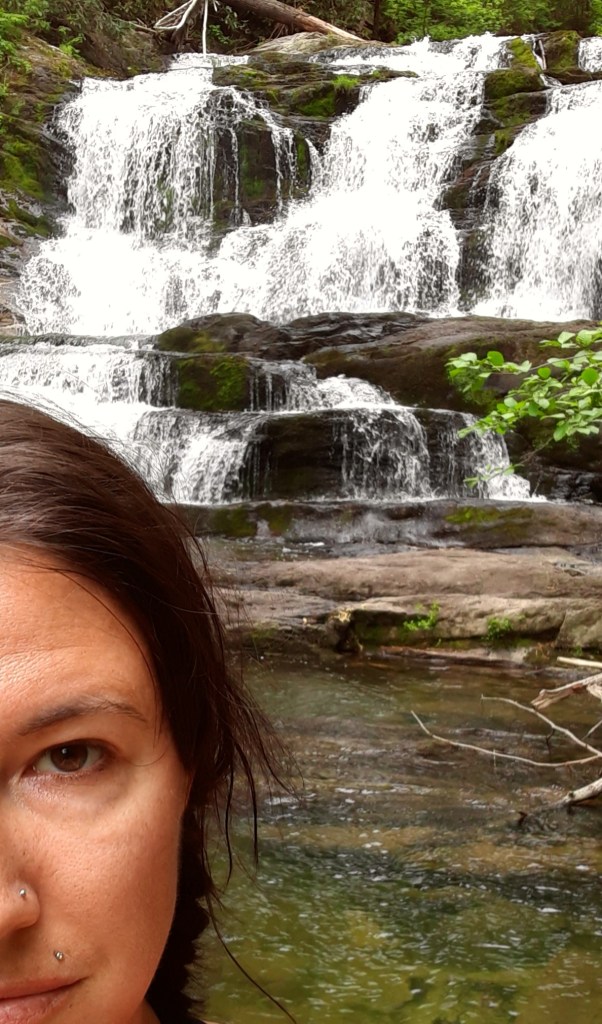
Although this merger of two forests (the Chattahoochee and the Oconee) are located in Georgia, don’t make the same mistake I did and assume it will be warm. It was here in these Blue Ridge Mountains and among the dense forest of evergreens that I camped through pouring rain that evolved into heavy hail as twilight descended into darkness. After digging a shallow moat around my tent to channel the water away from pooling at the tent’s base, I simply settled in for a chilly night. At about 2000 feet in elevation, it is at a high enough altitude to get cold even in the late spring of May. However, the hardship was rewarded in the morning hours with the scent of rich soil and trails that follow steep canyons, rhododendron bushes, and creeks that cascade toward numerous waterfalls. Desoto Falls, Dukes Creek Falls, Helton Creek Falls, and Raven Cliffs Falls are all worth a visit.
 Following the Nomad Star